









Biophilic Design – A Return to Nature
The concept of biophilia was coined in 1964 by Erich Fromm, signifying a love of all living forms. American biologist and zoologist Edward Wilson popularised the term in his book "Biophilia", arguing that humans need to live in symbiosis with nature. Close contact with the natural world influences both our psychological and physical well-being.
What is Biophilic Design?
The fundamental premise of biophilic design is to introduce nature into our concrete and technological lives. Incorporating nature into the interiors where we spend our daily lives allows us to restore the balance between humanity and the natural world. The accelerating pace of modern life and ongoing digitalisation generate considerable stress and tension, whilst contact with nature improves our sense of well-being.
How does biophilic design strengthen our connection with nature?
Visual and non-visual connections with nature – All sensory stimuli such as sight, touch, smell and taste that unite us with the natural environment.
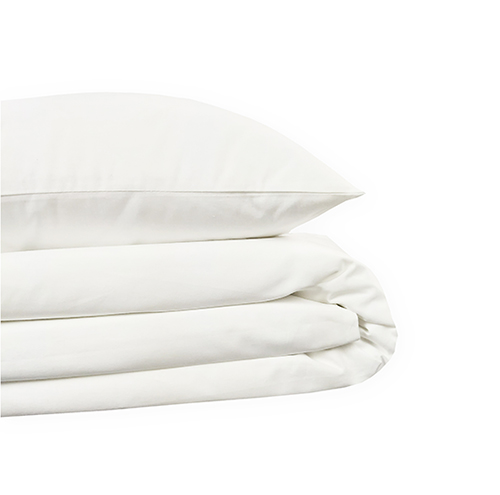
Natural materials – The use of materials of natural origin, minimally processed, providing appropriate texture that cannot be replaced by modern synthetics. Italpouf embraces the principles of biophilic design by using 100% cotton in the production of our bed sheets.
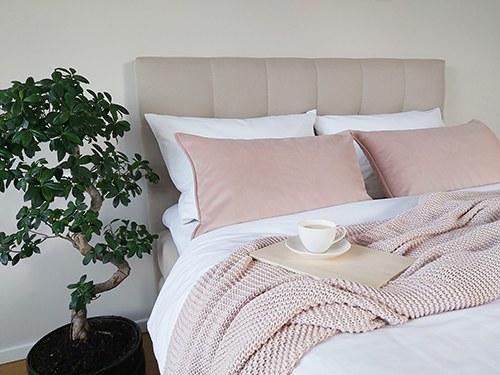
Vegetation – Interiors filled with greenery and diverse plant species allow the mind to relax whilst serving a filtration function, purifying the air of pollutants and ensuring appropriate humidity levels. Potted flowers and green walls in interior design delight the eye with their beauty.
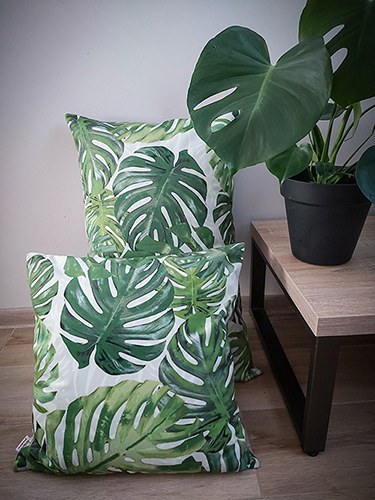
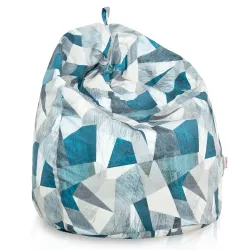
Botanical patterns – Plant motifs on all manner of accessories evoke associations with nature. Poufs and cushions from Italpouf are available in botanical styles. Popular monstera leaves, palms and tropical foliage attract enormous interest.
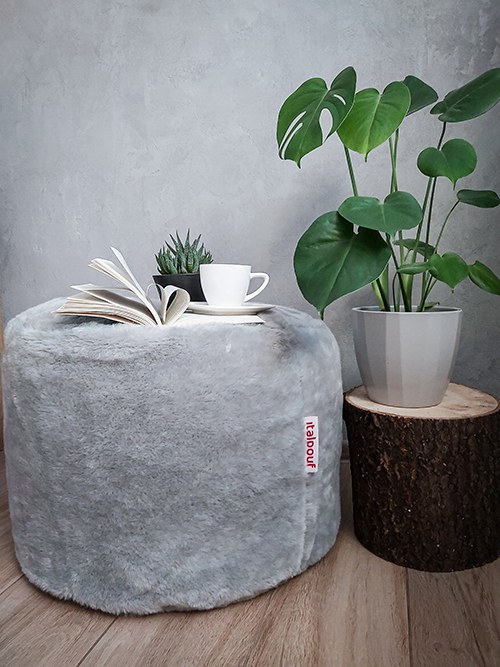
Contemporary architecture acknowledges the need for proximity to greenery. Design considerations apply to both office buildings and residential spaces. Open spaces offering freedom. The use of lighting within interiors that approximates natural light through appropriate intensity selection. The incorporation of natural materials: wood, rattan, wicker. All these features respond to the need for closeness to nature and allow us to live in harmony with the natural world.
.jpg)
.jpg)