








Bean Bag Filling
Choosing the Right Bean Bag Filling for Comfort and Durability
Bean bag filling is essential for ensuring both comfort and durability in your leisure furniture. The most common types used are EPS beads, which provide a lightweight and flexible solution, easily adapting to body shape while maintaining structural integrity.
Types of Bean Bag Filling
There are several options available when selecting bean bag filling. Each type offers unique characteristics that influence comfort, support, and longevity:
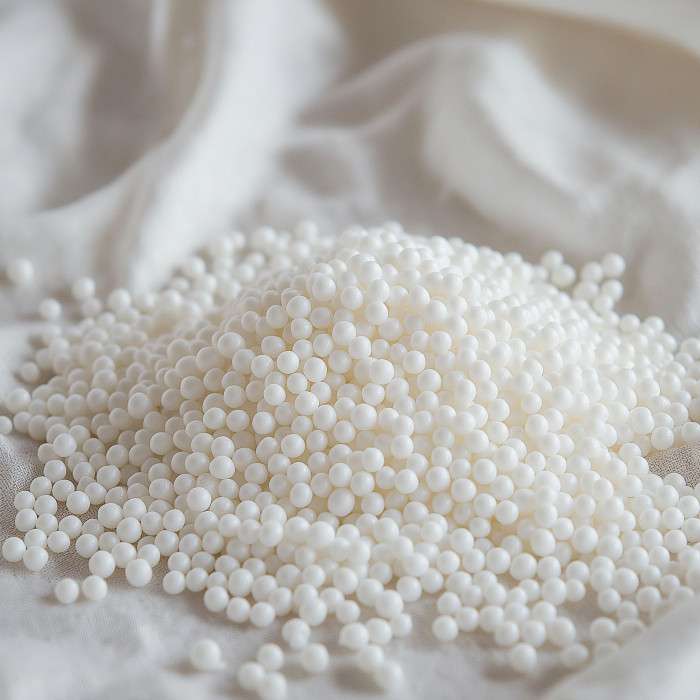
- EPS Beads: Lightweight and moldable, these polystyrene granules are the most popular choice, offering excellent support and easy mobility.
- Memory Foam: Provides a luxurious feel with superior comfort and support, though it is heavier and more expensive.
- Microbeads: Smaller than EPS beads, offering a more uniform fill but generally less supportive.
- EPP Beads: Known for their resilience and durability, EPP beads are a more robust option.
- Organic Fill: Uses natural materials like buckwheat hulls, offering eco-friendly and hypoallergenic properties.

How to Choose the Best Bean Bag Filling?
When deciding on the best filling, consider the weight, flexibility, and intended use of the bean bag. For instance, lightweight EPS beads are ideal for children's furniture due to their ease of movement and adaptability, whereas memory foam is better suited for adult relaxation and support.
| Filling Type | Weight | Comfort | Durability |
|---|---|---|---|
| EPS Beads | Light | Good | Moderate |
| Memory Foam | Heavy | Excellent | High |
| Microbeads | Light | Moderate | Low |
| EPP Beads | Moderate | Good | Very High |
| Organic Fill | Varies | Good | Moderate |
What are the Benefits of Polystyrene Granulate?
EPS beads, known as polystyrene granulate, are preferred for their lightweight nature and flexibility. They are easy to handle and moisture-resistant, making them ideal for both indoor and outdoor bean bags. These beads are also hypoallergenic, ensuring a safe option for sensitive individuals.
At Italpouf, we pride ourselves on providing high-quality EPS beads that meet all comfort and durability expectations. Explore our range to find the perfect filling for your furniture, and don't forget to check our care products to maintain your bean bag in top condition.
Whether you're refilling an existing bean bag or creating a new one, choosing the right filling is crucial. Browse our collection to see why our customers trust Italpouf for quality and comfort.
European Quality and Sustainable Craftsmanship in Bean Bag Filling
Our bean bag filling reflects the high standards of European craftsmanship and sustainability. Produced within the EU, the EPS beads used are Oeko-Tex certified, ensuring they are free from harmful substances. The filling's durability supports long-term use, reducing waste and promoting eco-friendly living. Thanks to the possibility of bead refilling, your bean bag can be easily repaired, extending its lifespan and maintaining comfort over time.
- EPS beads are lightweight polystyrene granules, providing flexible support and easy reshaping for personalised comfort.
- Produced in Europe, ensuring strict quality control and sustainable manufacturing practices.
- Oeko-Tex certified materials guarantee safety and environmental compliance.
- Refill options allow for maintenance and renewal, enhancing your bean bag's longevity.
- Supporting recycling initiatives, the filling materials contribute to a circular economy.
Couple your filling choice with our Covers to refresh your bean bag’s look, and explore our Care Products to maintain fabric quality and durability. This combination ensures your bean bag remains a stylish and comfortable feature for years to come.
Frequently Asked Questions
How to Choose the Best Bean Bag Filling?
When deciding on the best bean bag filler, consider the weight, flexibility, and intended use of the bean bag. For instance, lightweight EPS beads are ideal for children's furniture due to their ease of movement and adaptability, whereas memory foam filling is better suited for adult relaxation and support. The right bean bag chair filler depends on whether you prioritize portability, comfort, or durability. Many customers also consider how easy it is to refill and maintain their bean bag over time. A typical XL bean bag chair takes approximately 200 litres of polystyrene beans for optimal comfort, while larger XXL and giant models may need 270-400 litres to achieve proper support and shape retention. Filling Type Weight Comfort Durability EPS Beads Light Good Moderate Memory Foam Heavy Excellent High Microbeads Light Moderate Low EPP Beads Moderate Good Very High Organic Fill Varies Good Moderate
What are the Benefits of Polystyrene Granulate?
EPS beads, known as polystyrene granulate or polystyrene beans, are preferred for their lightweight nature and flexibility . They are easy to handle and moisture-resistant , making them ideal for both indoor and outdoor bean bags. These polystyrene beans for bean bags are also non-toxic and safety-tested , a safe option for the whole household. Unlike heavier foam filler alternatives, polystyrene beads allow for easy transportation and repositioning of your furniture. You can also recycle and reuse these beads when filling bean bags, making them an environmentally conscious choice. The beads compress naturally over time, so topping up with a bean refill whenever the seat starts losing volume helps maintain optimal comfort and support. At Italpouf, a European manufacturer, we pride ourselves on providing high-quality EPS beads that meet all comfort and durability expectations. Our bean bag refill options are designed to restore your furniture to like-new condition. Explore our range to find the perfect filling for your furniture, and don't forget to check our care products to maintain your bean bag in top condition. Whether you're refilling an existing bean bag or creating a new one, choosing the right filling is crucial. Browse our collection to see why our customers trust Italpouf for quality and comfort when they need to fill a bean bag chair or create custom cushions for bean bags or crafts.
Who is bean bag filling best suited for?
Bean bag filling, particularly EPS polystyrene beads, is ideal for diverse user groups. Families with children benefit from lightweight, safe bean bag filler that's easy to move between rooms and won't cause injury if accidentally spilled. Adults seeking ergonomic seating for home offices or gaming setups appreciate how polystyrene beans conform to body shape, providing customized support for extended sitting sessions. Apartment dwellers in spaces between 20-40 m² value the space-efficient nature of bean bags filled with lightweight beads, as they're easily relocated during cleaning or rearranging. The filling also suits crafters and DIY enthusiasts who enjoy creating custom cushions, pillows, or even stuffed toys with replacement bean bag filler. Senior users find the low-to-ground seating accessible, though they should ensure adequate fill volume for easier standing. Students furnishing dorm rooms appreciate the affordability and portability of polystyrene-filled furniture.
Who should NOT choose standard polystyrene bean bag filling?
Standard EPS bean bag beads may not suit everyone's needs. Individuals with severe chemical sensitivities should consider organic fill alternatives like buckwheat hulls instead, as some people react to polystyrene, though this is rare. Those seeking ultra-firm, structured seating comparable to traditional chairs should explore shredded memory foam filling, which offers more resistance than moldable polystyrene beans. Very lightweight users in oversized XXL bean bags might find excessive polystyrene fill too voluminous, sinking uncomfortably deep—these users benefit from smaller bags or reduced fill quantities. People living in extremely hot climates without air conditioning may prefer breathable organic fillings over polystyrene, which can retain heat during extended use. Finally, if sustainability is paramount and you cannot access recycling programs for polystyrene, organic or foam filler alternatives align better with zero-waste lifestyles. Budget-conscious shoppers seeking the absolute lowest initial cost might prefer fiber fill cushions, though these lack the adaptability and longevity of quality bean bag filler.
How much does bean bag filling cost and what affects the price?
Bean bag filler pricing varies significantly based on material type, volume, and quality grade. Budget-friendly polystyrene beads typically represent the most economical choice for standard refill needs, while premium shredded memory foam can cost two to three times more due to manufacturing complexity and material density. The primary price factors include fill volume measured in liters—larger bean bag chairs requiring 300-400 liters cost substantially more to fill than compact 100-liter models. Bead size and quality also influence cost, with virgin EPS polystyrene beans priced higher than recycled alternatives, though virgin material offers superior resilience and longevity. Brand reputation matters too, as established manufacturers provide certified, safety-tested filling that justifies moderate premium pricing compared to unknown suppliers. Seasonal promotions and bulk purchasing can reduce per-liter costs significantly for customers refilling multiple bean bags. Specialty fills like EPP beads or organic buckwheat command premium pricing due to enhanced durability or eco-friendly properties.
When is the best time to buy bean bag filling?
Strategic timing can optimize your bean bag refill purchase. Late autumn, particularly November during Black Friday and Cyber Monday promotions, often brings the deepest discounts on home furnishing materials, including bean bag beads. Spring cleaning season from March through May sees increased promotions as retailers clear inventory for summer outdoor furniture lines. Back-to-school periods in August and September offer opportunities to purchase children's bean bag filling at promotional prices as parents furnish dorm rooms and study areas. For outdoor bean bag users, purchasing polystyrene fill in early spring before the patio season rush ensures availability and avoids summer price increases. If you notice your current bean bag sagging or losing support, don't delay—compressed beads don't spontaneously recover, and waiting means reduced comfort. Monitoring your furniture quarterly and ordering bean refill before complete compression prevents emergency purchases at non-promotional pricing. January sales also present opportunities as retailers refresh inventory for the new year.
Bean bag filling vs cushion stuffing — which one to choose?
The choice between bean bag filling and traditional cushion stuffing depends on your seating preferences and usage patterns. Bean bag filler, especially polystyrene beads, excels in adaptability—the loose beads continuously shift to conform to your body position, making them superior for multi-purpose lounging, gaming, or reading where you frequently change posture. Cushion stuffing, typically polyester fiber fill, foam chunks, or cotton, provides more structured, predictable support ideal for decorative throw pillows on a couch or bed where aesthetic consistency matters more than ergonomic molding. Bean bags require more filling volume and larger covers but eliminate the flattening problem common with foam cushions over time. However, cushion stuffing integrates better into formal décor schemes where uniform pillow shapes are desired. For family rooms, playrooms, or casual spaces prioritizing comfort and flexibility, bean bag filling wins. For coordinated living room or bedroom aesthetics requiring matching pillow sets, traditional cushion stuffing remains preferable. Many households use both—bean bags for active seating, cushions for decorative accents.
How do I properly fill a bean bag chair with beads?
Filling a bean bag chair requires careful technique to avoid spills and achieve optimal comfort. First, work in a draft-free area—static electricity causes lightweight polystyrene beads to cling to surfaces and fly around. Unzip the inner liner completely and use a large funnel or roll paper into a cone to direct beads into the opening. Pour slowly, allowing beads to settle rather than creating air pockets. Fill to approximately 70-80% capacity rather than completely full—overfilling creates an uncomfortably firm bag that won't mold to your body, while proper fill allows natural compression and shaping. For an XL bean bag, expect to use roughly 200 litres of filler beads; XXL models take around 270-380 litres. Have a vacuum cleaner nearby for inevitable static-charged beads that escape. If refilling rather than initial filling, measure how compressed your current fill has become—bean bags need topping up periodically as polystyrene compresses with use. When finished, zip both inner and outer covers securely to prevent access by children or pets to the small bead components. Consider wearing gloves to minimize static buildup during the filling process.
Can bean bag filling be recycled or reused?
Bean bag filling, particularly EPS polystyrene beads, can often be recycled or repurposed, though options vary by location. Many municipal recycling programs accept clean polystyrene marked with recycling code #6, though you'll need to separate beads from fabric covers first. Contact local recycling centers to confirm acceptance before disposing of old filling. Reusing bean bag beads is highly practical—if replacing your cover or downsizing furniture, save the polystyrene filling in sealed plastic bags for future use in craft projects, shipping packaging, or refilling other bean bags. The beads remain functional for years if kept dry and clean. Some creative reuse ideas include filling draft stoppers for doors and windows, creating weighted bases for artificial Christmas trees, or using small quantities in sensory play bins for children. Garden centers sometimes accept polystyrene beads as drainage material for large planters. If beads have become compressed beyond recovery, you can revive them partially by fluffing in a large container, though eventually new bean refill becomes necessary. Always prioritize reuse over disposal when possible to minimize environmental impact of polystyrene materials.